7 natural period pain remedies that actually work (backed by evidence)
You don't have to choose between suffering and popping pills every month. Here are 7 science-backed ways to relieve period cramps naturally — ranked by how well they actually work.
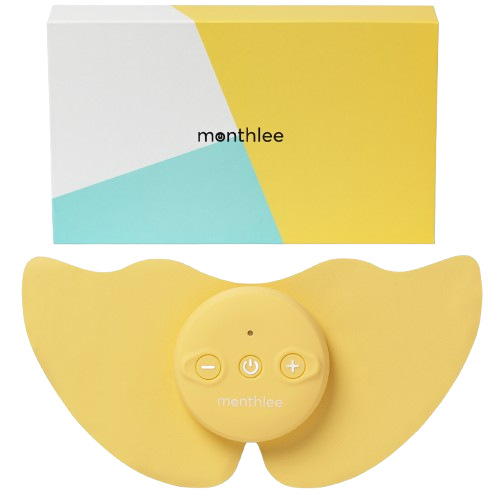
Every month, the same conversation happens in doctors' offices across the US and UK: "your period pain is normal, here's some ibuprofen." And ibuprofen works — but it's not the whole story, and it's not the right answer for everyone.
Whether you're looking to reduce your reliance on pain medication, can't take NSAIDs, or just want to know what else is out there — these are the remedies with actual science behind them. Not folklore. Not anecdote. Evidence.
1. TENS therapy — the most underrated one
TENS (Transcutaneous Electrical Nerve Stimulation) sounds clinical, but the principle is simple: a small device sticks to your skin and sends gentle electrical pulses that interrupt the pain signal travelling from your uterus (womb) to your brain. It also triggers the release of endorphins — your body's natural painkillers.
TENS has been used by physiotherapists for decades for back pain, labour pain, and post-surgical recovery. It has also been studied specifically for period pain (dysmenorrhea), and it is recognised as a drug-free option worth trying. How much it helps varies from person to person — some find it takes the edge off, others find it does most of the work.
The key advantages over medication:
- Works in minutes, not hours
- No side effects
- No drugs entering your bloodstream
- Can be worn discreetly under clothing while you get on with your day
Modern wearable TENS devices like Emmeline are designed specifically for period pain — compact, wireless, and silent. If you haven't tried TENS yet, it's the biggest upgrade most people haven't heard of.
2. Heat therapy
This one is old and it still works. Applying heat to the lower abdomen does two things: it relaxes the uterine muscle (which is cramping involuntarily) and increases blood flow to the area, which helps clear the prostaglandins driving the pain.
Studies have shown that continuous low-level heat (via a heat pad or hot water bottle) can be as effective as ibuprofen for primary dysmenorrhea (period pain without an underlying condition). That's a remarkable finding — and it's why heat is still the first thing most people reach for.
Pair heat with TENS for a one-two combination that covers both the muscle relaxation and the nerve-interruption angles.
UK tip: reusable wheat bags that you microwave are widely available and work well. US tip: stick-on heat patches (like ThermaCare) are convenient for on-the-go use.
3. Magnesium
Magnesium is involved in over 300 enzymatic processes in the body, and one of its key roles is muscle relaxation. Since period cramps are essentially involuntary uterine muscle contractions, low magnesium levels can make them worse.
Research published in the Journal of Women's Health found that magnesium supplementation significantly reduced the severity of menstrual cramps. The best-absorbed forms are magnesium glycinate or magnesium bisglycinate chelate — avoid magnesium oxide, which has poor absorption.
Timing matters: start supplementing in the week before your period starts, at around 300–360mg elemental magnesium per day. Many people also notice improvements in mood and sleep as a bonus during their luteal phase.
Food sources high in magnesium: dark chocolate, leafy greens (spinach, kale), pumpkin seeds, almonds, and avocado.
4. Omega-3 fatty acids (fish oil)
Omega-3s reduce the production of prostaglandins — the hormone-like chemicals that cause uterine contractions and, in excess, cause period pain. Multiple clinical trials have found that fish oil supplementation reduces the severity of dysmenorrhea, sometimes as effectively as ibuprofen.
A 2012 study compared fish oil, ibuprofen, and a combination of both. The fish oil group reported similar pain reduction to ibuprofen, with fewer side effects.
For supplementation, look for EPA + DHA combined at around 1,000–2,000mg per day. Or increase oily fish in your diet: salmon, mackerel, sardines, anchovies.
5. Anti-inflammatory diet
This isn't a dramatic overhaul — it's about reducing the foods that increase systemic inflammation (which worsens prostaglandin response) and increasing the ones that calm it.
Reduce or avoid around your period:
- Ultra-processed foods and refined sugar (pro-inflammatory)
- Alcohol (worsens inflammation and disrupts hormone balance)
- Excessive caffeine (can increase prostaglandin sensitivity)
- Trans fats and vegetable oils high in omega-6
Increase:
- Fatty fish, walnuts, flaxseed (omega-3s)
- Berries, cherries, turmeric, ginger (antioxidants and anti-inflammatories)
- Leafy greens (magnesium)
- Whole grains and legumes (stabilise blood sugar, which affects hormone balance)
You don't have to do this perfectly. Even reducing inflammatory foods in the 5 days before your period can make a noticeable difference.
6. Ginger
Ginger has been shown in clinical trials to reduce period pain comparably to ibuprofen. A study published in the Journal of Alternative and Complementary Medicine found that 250mg of ginger powder four times daily during the first 3 days of menstruation was as effective as mefenamic acid (a prescription-strength NSAID often used for period pain in the UK).
The mechanism: ginger inhibits prostaglandin and leukotriene synthesis — the same mechanism as NSAIDs, just via a different pathway.
Practical options: ginger tea (steep fresh ginger root for 10 minutes), ginger capsules (500–1000mg/day during your period), or add fresh ginger to cooking in the week before your period.
7. Movement and yoga
Exercise is a paradox when you're in pain — the last thing you want to do is move. But gentle movement increases blood flow to the pelvic region, reduces inflammation, and triggers endorphin release. Even a 20-minute walk can take the edge off.
Specific yoga poses are well-evidenced for period pain relief:
- Child's pose — releases tension in the lower back and pelvis
- Supine twist — gentle compression and release on the uterus
- Cat-cow — mobilises the lumbar spine and relaxes the uterine area
- Legs up the wall — promotes venous return, reduces heaviness
A 2017 study in the Journal of Alternative and Complementary Medicine found that women who practised yoga for 12 weeks reported significantly lower pain scores during their period than the control group.
Using these together
These remedies aren't competing — they work better in combination. A practical protocol for heavy period days:
- Apply Emmeline TENS to the lower abdomen as soon as pain starts
- Add a heat pad on top or alongside
- Take magnesium in the week before (and continue through your period)
- Eat anti-inflammatory foods in the 5 days prior
- Take ginger as a supplement or tea during your period
For most people with primary dysmenorrhea (period pain without an underlying condition), this combination makes a significant difference without touching a single pill.
If your pain is severe and unresponsive to all of the above, please see your GP or OB-GYN — it may indicate endometriosis, adenomyosis, or another condition that needs specific medical treatment.
Ready to try drug-free relief?
Emmeline is a wearable TENS device built specifically for period pain. She sticks discreetly over your lower abdomen, works in minutes, and lasts up to 10 hours — so you can wear her at work, at the gym, or while you sleep.
No pills. No side effects. Just relief.
Shop Emmeline now → — free shipping, 60-day money-back guarantee.
keep reading
- →Exercise
Does exercise help period cramps? What the research actually found
Regular exercise lowers period pain in the trials — a Cochrane review put the average drop at about 25 points on a 100-point scale. But the benefit comes from moving across the whole month, not from forcing a run on day one. Here is what the evidence says, which kinds of exercise did best, and how to train on your period.
- →Endometriosis
Does TENS actually help endometriosis pain? What a new 2026 study found
A new pre-post study out of Penn State followed 27 women with surgically confirmed endometriosis using a TENS unit for three months. The headline pain score didn't move enough to call it a win — but quality of life and pain-medication use both did, significantly. Here's what the study actually measured, what it didn't, and how it's different from the stronger evidence behind TENS for ordinary period pain.
- →TENS machine
Do heated TENS devices work better for period pain? What the ratings actually show
Some TENS devices for period pain now come with built-in heat, and on paper that sounds like a straightforward upgrade. We compared the public star ratings across every period-specific wearable TENS device we could find on Amazon and found the opposite pattern: heated hybrids rate lower than plain TENS, not higher. Here's the pattern, the likely reason for it, and how to decide which type is actually right for you.