Endometriosis and period pain: what's normal, what's not, and what to do
1 in 10 women has endometriosis, yet diagnosis takes an average of 7–10 years. Here's how to tell if your period pain might be something more — and what to do about it while you wait for answers.
Period pain is common. Endometriosis is also common. The problem is that one gets dismissed as the other — for years.
Endometriosis affects roughly 1 in 10 women in both the US and UK. Yet the average time from first symptoms to diagnosis is 7–10 years. That's nearly a decade of being told your pain is normal. Of being handed ibuprofen and sent home. Of missing school, work, and life — often without understanding why.
This post isn't a substitute for a diagnosis. But it is the information you deserve to have so you can advocate for yourself.
What is endometriosis?
Endometriosis is a condition where tissue similar to the lining of the uterus (womb) grows outside the uterus — on the ovaries, fallopian tubes, bladder, bowel, or the lining of the pelvis.
Every month, that tissue responds to your hormones the same way the lining inside your uterus does: it thickens and attempts to shed. But unlike the lining inside your uterus, which leaves the body through your period, this tissue has nowhere to go. The result is inflammation, irritation, and over time, the formation of scar tissue and adhesions (where organs stick together).
This cycle — repeated month after month — causes increasingly severe pain, and in some cases, affects fertility.
How is endo pain different from regular period pain?
This is the key question, and the answer isn't always clean — which is part of why endo takes so long to diagnose. But here are the patterns that suggest something more than typical dysmenorrhea:
Pain that starts before your period begins Typical period cramps (menstrual cramps) start on day 1 or 2 of your period. Endometriosis pain often begins in the days before your period — sometimes as early as a week out.
Pain that doesn't respond to standard pain relief If ibuprofen (Advil, Nurofen) or naproxen barely touches it, or you find yourself needing prescription-strength pain medication to function, that's worth flagging. Endo pain often outpaces what over-the-counter NSAIDs can handle.
Pain during or after sex Known as dyspareunia, pain during penetrative sex is one of the most common symptoms of endometriosis — particularly with deep penetration. It's caused by endometrial deposits on or behind the uterus.
Painful bowel movements or urination during your period If going to the bathroom is painful specifically during your period, this can indicate endometrial deposits on the bowel or bladder.
Fatigue that's out of proportion Many people with endometriosis describe a bone-deep exhaustion during their cycle that goes beyond typical period tiredness. This is likely related to the body's chronic inflammatory response to the condition.
Pain outside your period Some people with endometriosis experience pelvic pain throughout the month, not just during menstruation.
Heavy or irregular bleeding Endo doesn't always cause heavy periods, but many people experience heavier than average bleeding or spotting between periods.
What "normal" period pain looks like
For comparison: typical primary dysmenorrhea (period pain without an underlying condition) usually:
- Starts on day 1 or day 2 of your period
- Peaks within 24–48 hours and eases
- Responds reasonably well to ibuprofen or naproxen
- Doesn't significantly interfere with sex, bathroom habits, or daily function outside your period
Pain that fits this pattern is still real and valid — and still worth addressing. But it's less likely to be endometriosis.
Why does diagnosis take so long?
Several reasons, and none of them are acceptable:
- Period pain is normalised. Girls are routinely told that cramps are "just part of it." This delays the moment they seek help.
- Endo can only be definitively diagnosed by laparoscopy. Ultrasound can sometimes spot it (particularly endometriomas on the ovaries), but many cases aren't visible on imaging — leading doctors to dismiss symptoms.
- Healthcare disparities. Research consistently shows that women's pain is taken less seriously by healthcare providers than men's. Women with endometriosis are more likely to be told their pain is psychological before receiving a referral.
- Symptom overlap. Endo shares symptoms with IBS, PCOS, and pelvic inflammatory disease — leading to misdiagnosis.
What to do if you think you might have endometriosis
1. Track your symptoms. Keep a detailed record of when pain starts (relative to your period), severity (1–10), what activities are affected, and any bowel/bladder symptoms. This is invaluable for your appointment.
2. See your GP or OB-GYN and be specific. Don't say "bad cramps" — describe the full picture: when it starts, how long it lasts, what it stops you from doing. Ask specifically about endometriosis.
3. Request a referral to a gynaecologist. If your GP dismisses you, ask again. If they dismiss you a second time, request a second opinion. In the UK, you have the right to request a specialist referral. In the US, check your insurance plan for direct access to OB-GYNs.
4. Ask for a transvaginal ultrasound. It won't rule out endo, but it can detect endometriomas (cysts caused by endo) and other conditions. It's a reasonable first step.
5. Don't let the wait stop you managing symptoms. Waiting for answers doesn't mean suffering. The pain is real regardless of the diagnosis.
Managing endo pain while you wait for a diagnosis
The same evidence-based approaches that help with period pain generally also help with endometriosis symptoms — they won't treat the underlying condition, but they can make your cycle significantly more bearable:
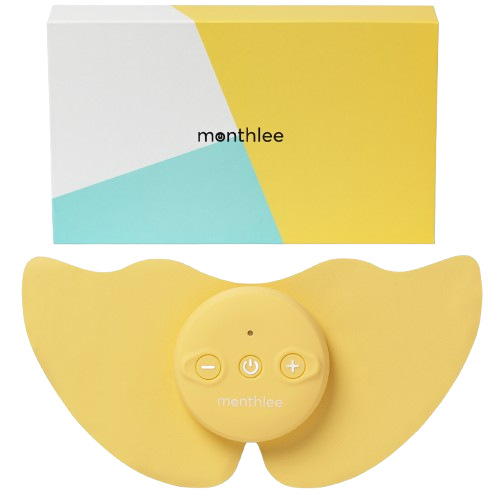
- TENS therapy: drug-free nerve signal interruption that works in minutes. Many people with endometriosis find that wearable TENS is one of the most effective tools in their kit.
- Heat: a constant on the lower abdomen and lower back during painful periods
- Anti-inflammatory diet: reduce sugar, alcohol, and processed foods; increase omega-3s and leafy greens in the week before your period
- Magnesium supplementation: 300–360mg elemental daily in the luteal phase
- Hormonal treatment: the pill, IUD, or other hormonal options can reduce endo symptoms — discuss with your doctor
If you're newly diagnosed, treatment options include hormonal therapy to suppress the cycle, and laparoscopic surgery to remove deposits. The right path depends on your symptoms, fertility goals, and personal preferences — a specialist gynaecologist is the right person to guide that conversation.
You deserve to be taken seriously
Endometriosis is not rare. Period pain that derails your life is not something to simply "push through." The 7-year diagnosis gap exists in part because women's pain has historically been dismissed — and the way to close that gap starts with being informed enough to advocate for yourself.
If this resonates, get it on record with your GP or doctor. You deserve answers.
Drug-free relief while you navigate the system
Emmeline is a wearable TENS device for period pain and pelvic cramping. Many people with endometriosis use it as their go-to on heavy pain days — it's drug-free, silent under clothing, and works in minutes.
Meet Emmeline → — 20 intensity levels, up to 10 hours battery, free shipping, 60-day money-back guarantee.
keep reading
- →Endometriosis
Does TENS actually help endometriosis pain? What a new 2026 study found
A new pre-post study out of Penn State followed 27 women with surgically confirmed endometriosis using a TENS unit for three months. The headline pain score didn't move enough to call it a win — but quality of life and pain-medication use both did, significantly. Here's what the study actually measured, what it didn't, and how it's different from the stronger evidence behind TENS for ordinary period pain.
- →Period cramp simulator
Period cramp simulators: what the machine actually does
You've seen the videos. A man gets wired up, lasts eleven seconds, and apologises to everyone he's ever met. Here's what the machine really is, what it proves, and what it can't.
- →Endometriosis
Endometriosis must-haves: 11 things that help on the worst days
Endometriosis has no cure. But some things make a bad day shorter and a hard week easier. Here are 11 that earn their place, and two that do not.